Beyond Slideshows: Turning Yodeck Into AI-Powered Digital Signage with Claude
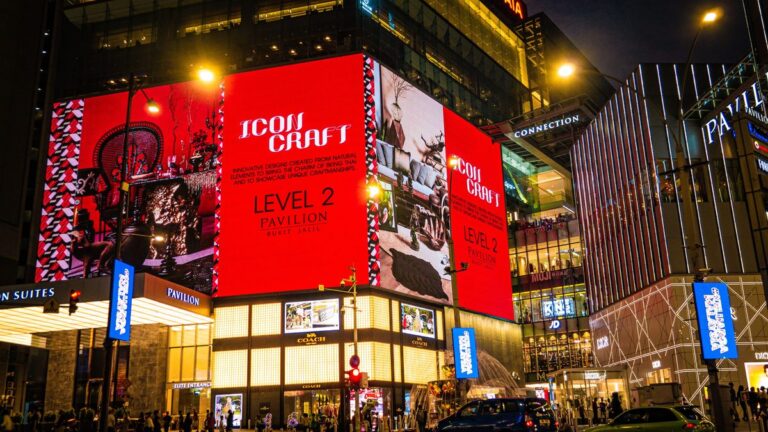
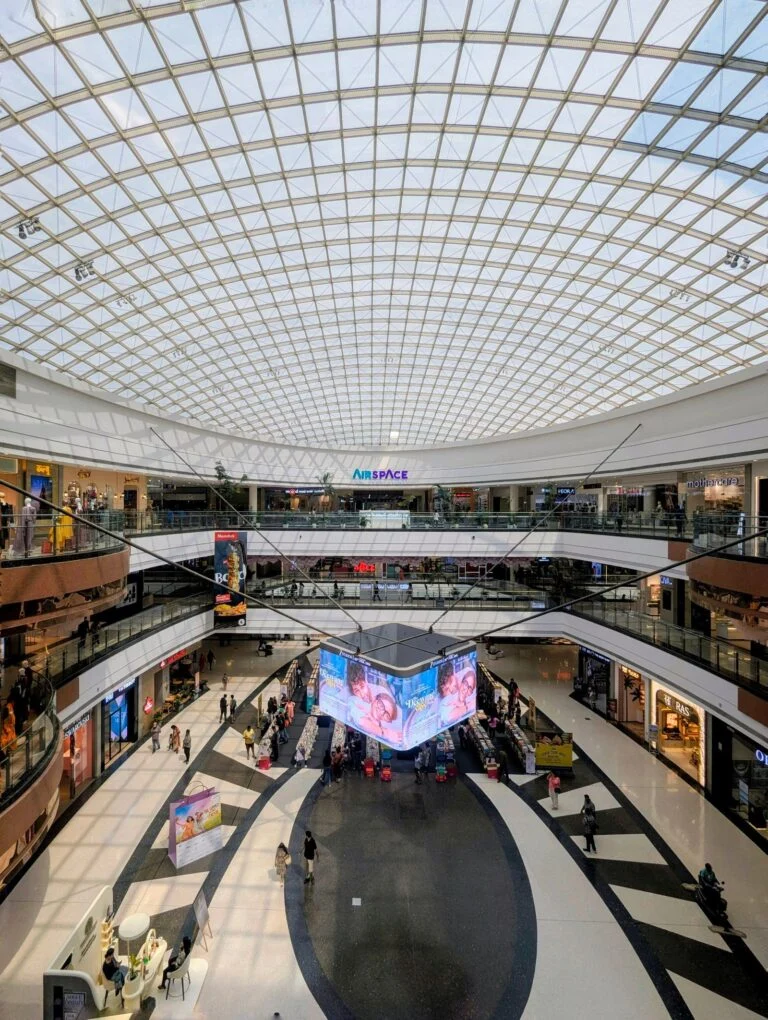
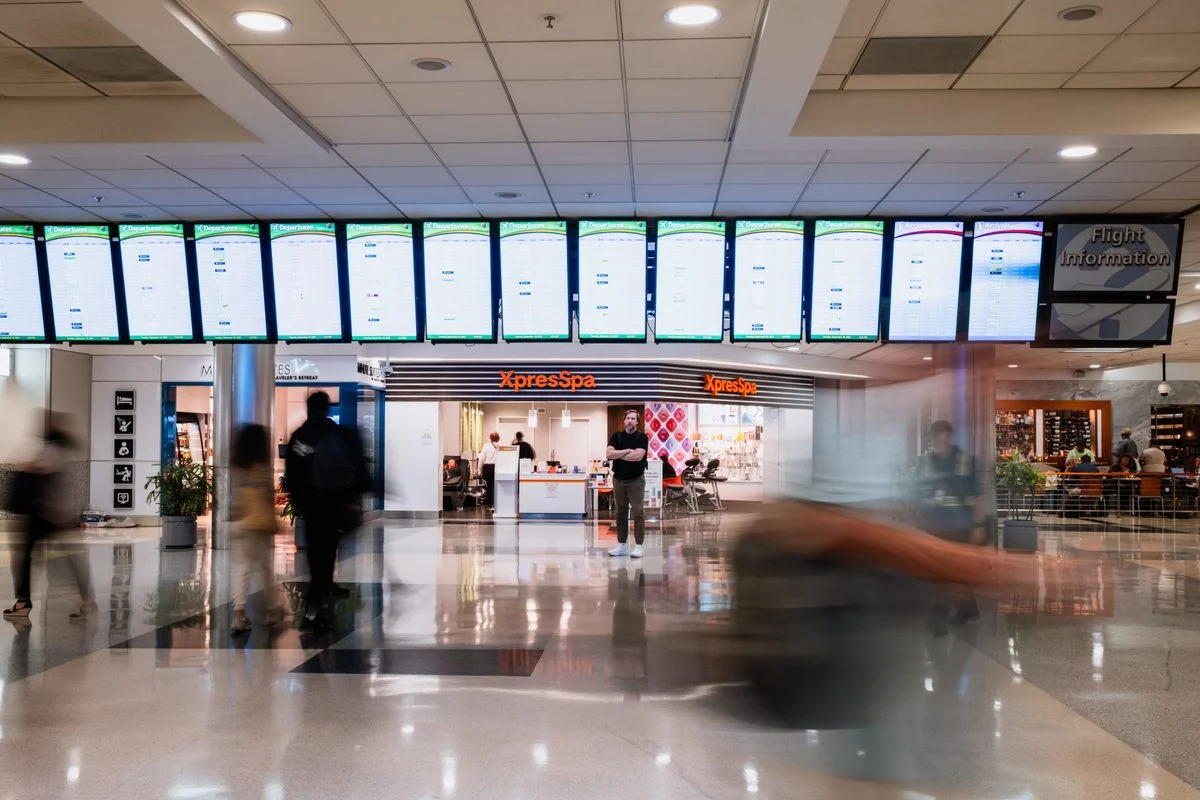
Digital signage has quietly become one of the most widely deployed communication channels in business. Industry trackers put the global market at around $35 billion in 2026, growing roughly 8% a year, and about 78% of new deployments now run on cloud-based content management rather than on-premise systems. The screens are everywhere: retail, transport, offices, healthcare, hospitality. Yet most of them are still doing something surprisingly basic: playing a fixed loop of slides that someone built by hand and will update, maybe, next month.
That gap between screens that are managed and screens that are genuinely intelligent is where the next wave of value sits, and it is narrowing fast. Across signage platforms, API and integration capabilities are now the fastest-growing feature category, up more than 20% year on year, with AI-powered content optimisation close behind. The platforms that win are no longer just displaying content; they are connected to the systems where real information lives, and increasingly to the AI that can turn that information into something worth showing.
That, in practice, is what AI-powered digital signage means: pairing a capable, open platform like Yodeck with a large language model like Claude. Here is what that combination actually unlocks.
What Yodeck gets right
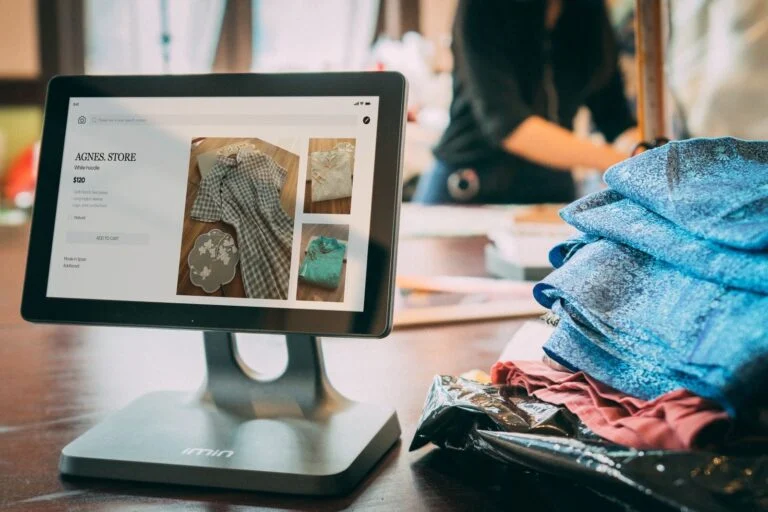
Before you add intelligence, you need a platform that is reliable, open, and easy to operate. Yodeck is one of the strongest in that category, which is why we work with it. It turns almost any screen into a digital sign, the first screen is free, and paid plans start at a few euros per screen per month, with low-cost players including Raspberry Pi devices.
- Built for non-designers. 130+ apps and 800+ customisable templates with drag-and-drop editing, so a store manager or HR lead can publish a professional-looking screen without design software.
- Operable at scale. Remote management of thousands of screens, scheduling by time and location, offline playback, and emergency alert overrides built on the Common Alerting Protocol (CAP).
- Genuinely open. A clean, RESTful API and webhooks let you control media, playlists, layouts, schedules, screens and users programmatically, no dashboard required.
With a 97% satisfaction rating across more than 6,600 reviews, Yodeck is a dependable backbone. And that open API is the hook everything else hangs on.
The part a CMS can’t do for you
Every good signage platform shares the same limitation: it shows what you tell it to show. Someone still has to decide what goes on each screen, write the words, keep them current, and adapt them for different audiences. For a handful of screens that is manageable. Across dozens of locations, changing daily, in several languages, it becomes the bottleneck, and it is where signage projects quietly stall.
This is the layer a large language model fills. Not the display, not the hardware: the judgement and the copy.
What changes when you connect Claude to the Yodeck API
Wire Claude, through its API, to Yodeck’s API, and a screen stops being a static endpoint and becomes the output of a live pipeline. Concretely, it can:
- Turn data into display-ready copy. Claude reads a feed (sales figures, a KPI export, inventory levels, an RSS source, a Teams or calendar update) and writes a concise, on-brand message for the screen. Nobody drafts it by hand.
- Refresh content automatically. When the underlying data changes, Claude regenerates the copy and uses Yodeck’s API to update the media, playlist or schedule, no manual step.
- Localise instantly. The same message, rewritten into every language a network needs and pushed to the right screens by location.
- Make context-aware decisions. Weighing time of day, weather or footfall data to choose the most relevant message, then orchestrating the playlist accordingly.
- Compress long documents into screen-sized snippets. A safety bulletin, policy update or report becomes a clean, legible message. Claude does the summarising.
- Act as a brand-safety gate. Before anything reaches a screen, content can be checked against tone and policy rules, with anything off-brand flagged for human approval.
One honest boundary: Claude generates and orchestrates text and decisions; it does not render the visuals. The look of the screen still comes from Yodeck’s templates, your media and your design tools. Claude is the brain deciding what to say and when; Yodeck is the channel that says it. Connected through their APIs, the two close a loop that used to require a person in the middle.
What it looks like in practice
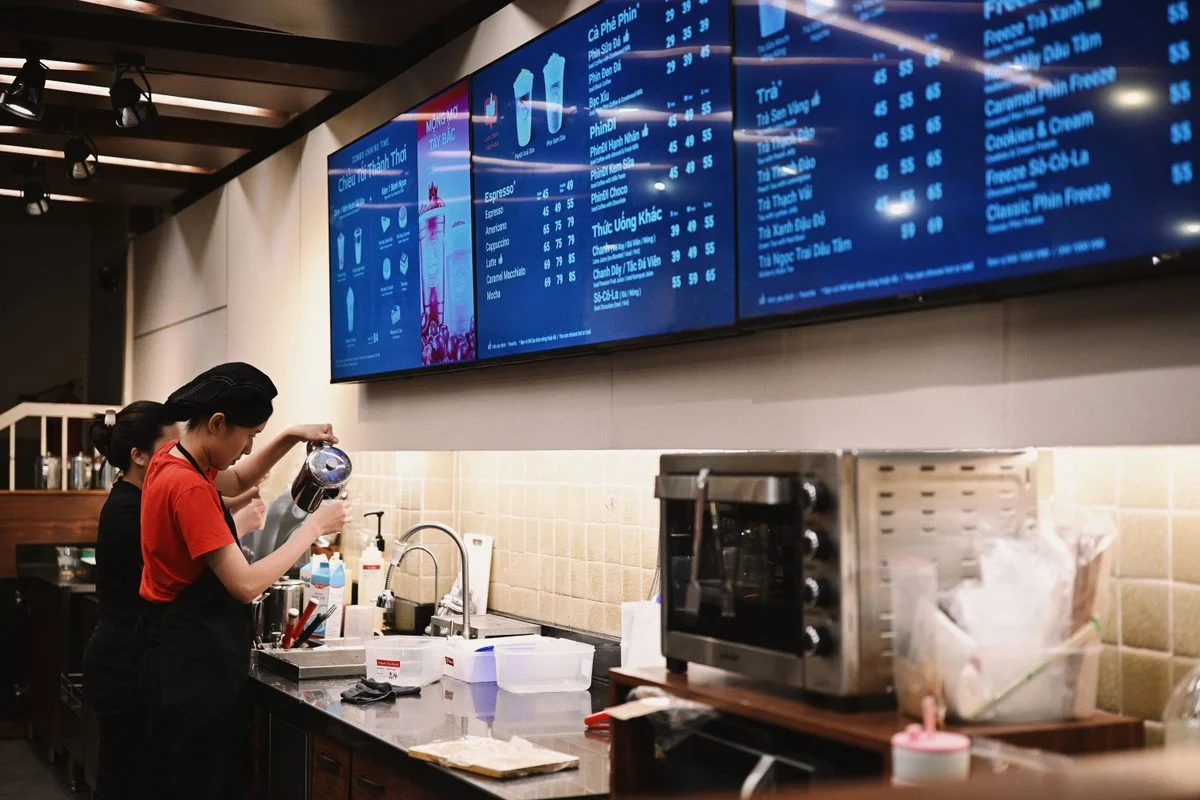
Retail and hospitality. A coffee chain’s menu boards update themselves when prices or stock change in the back-office system. Claude rewrites the item copy; Yodeck pushes it to every location within minutes, no regional manager editing slides.
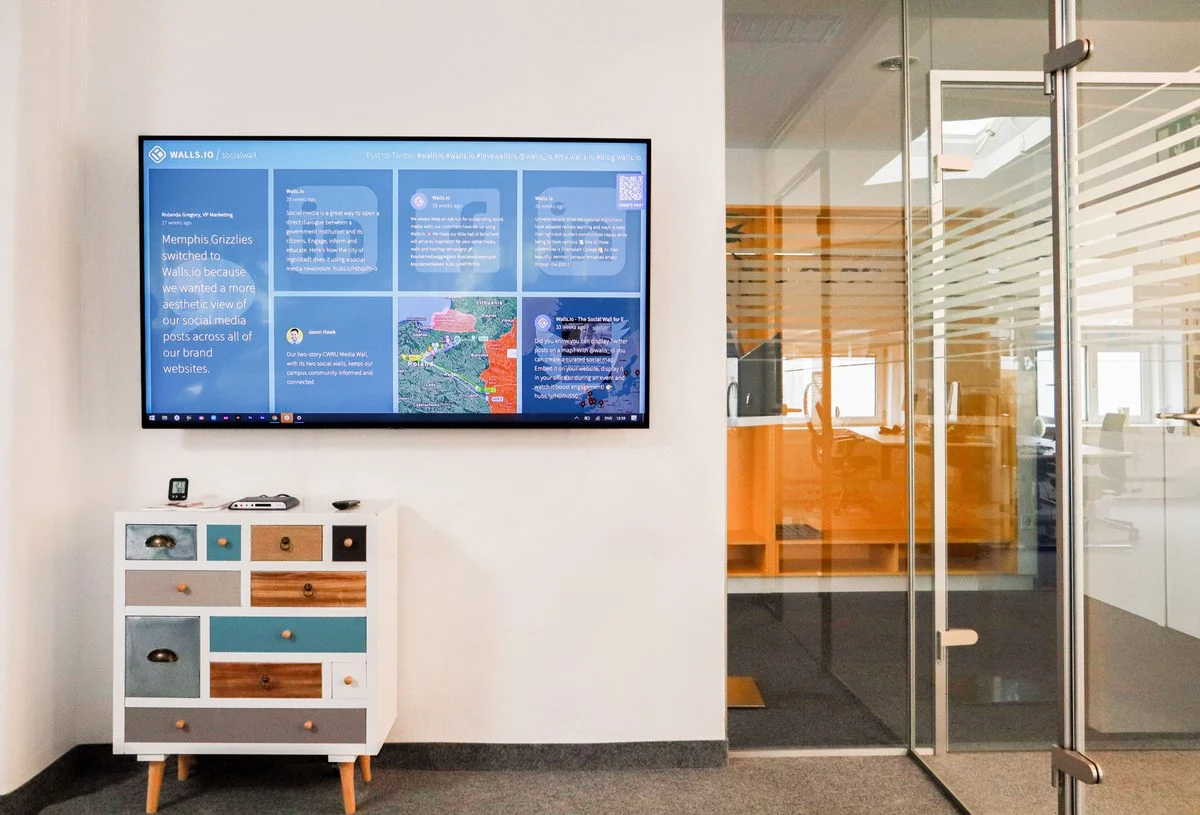
Corporate and offices. A daily operations screen turns last night’s dashboard export into a plain-English morning briefing (what changed, what to watch), generated by Claude and scheduled through Yodeck before staff arrive.
Multilingual and public spaces. Announcements and wayfinding rewritten into several languages automatically, while critical emergency messages stay on the proven path: Yodeck’s CAP-based alert override, instant and human-triggered.
Getting it right
The technology is the easy part. The rollouts that succeed treat AI-driven signage like any other delivery: clear ownership, a tight first use case, and a human approval gate before content goes live. (We have written separately on why disciplined delivery, not technology, is what makes or breaks a project.) A few practical notes:
- Yodeck’s API sits on its Premium and Enterprise tiers; plan for that from the start.
- Begin with one screen and one data source. Prove the loop before scaling it across a network.
- Keep a person in the approval path until content quality has earned trust.
- Measure the right thing: not novelty, but screens that stay relevant with far less manual effort.
How Amazing Projects can help
We sit at exactly the intersection this requires: a Yodeck partner who runs digital signage projects, and a team that designs and delivers practical AI implementations. We can scope the use case, build the Yodeck and Claude integration, and put the governance around it so it runs reliably, not just in a demo, but day after day.
Talk to us about AI-powered signage →
Editorial note — This article was researched and drafted with the assistance of Claude (Anthropic), and reviewed and approved by Amazing Projects before publication.